As the world grapples with the challenges of climate change, air pollution, and urban congestion, cities are increasingly looking for innovative ways to become more sustainable. For St. Louis, one such solution lies in embracing cycling as a viable mode of transportation. The city’s bike-friendly infrastructure is already making waves, with projects like Great Rivers Greenway leading the charge.
The River des Peres Greenway, for instance, has transformed an abandoned rail corridor into a scenic 2.5-mile pathway that connects Forest Park to the Missouri River. This innovative green space not only provides a safe and enjoyable cycling experience but also helps to revitalize local neighborhoods by fostering community engagement and economic growth.
Similarly, the Centennial Greenway extension in Olivette has added another half-mile of bike-friendly route to the region’s network. This expansion not only enhances connectivity between nearby communities but also supports the development of affordable housing, small businesses, and green spaces.
These initiatives are just the beginning of St. Louis’ journey toward becoming a more sustainable city. By investing in cycling infrastructure, local leaders can:
- Reduce carbon footprint: Cycling is an environmentally friendly mode of transportation that produces zero emissions. As the city promotes bikeability, residents will be encouraged to ditch their cars and opt for pedal power instead.
- Improve air quality: With fewer vehicles on the road, St. Louis’ air quality will improve significantly. This is particularly important in areas where pollution levels are already high, such as near highways or industrial sites.
- Boost local economy: Cycling-friendly cities tend to attract a more affluent demographic that values sustainability and community engagement. As St. Louis becomes more bikeable, it can expect an influx of new businesses, restaurants, and services catering to the needs of these environmentally conscious residents.
- Enhance quality of life: By providing safe and enjoyable cycling routes, St. Louis can improve its residents’ overall well-being. Cycling has been shown to have numerous physical and mental health benefits, including reduced stress levels and improved cardiovascular health.
While there are certainly challenges ahead – such as addressing the needs of people with disabilities or incorporating cycling infrastructure into existing transportation systems – the potential rewards are undeniable. As St. Louis continues to pedal its way toward a more sustainable future, it can expect to reap numerous benefits that will make its residents proud to call the city home.
So, what’s next for St. Louis? Here are some ideas:
- Expand cycling infrastructure: Continue building upon existing greenway projects and explore new opportunities for bike-friendly routes throughout the city.
- Promote cycling culture: Encourage community events, workshops, and training programs that foster a love of cycling among residents, especially in underserved neighborhoods.
- Develop innovative transportation solutions: Collaborate with local businesses, universities, and organizations to develop creative transportation solutions that integrate cycling, public transit, and ride-sharing services.
- Engage residents in the process: Involve citizens in planning and decision-making processes related to cycling infrastructure development, ensuring that their needs and concerns are addressed.
By embracing cycling as a key component of its sustainability strategy, St. Louis can create a more livable, connected, and environmentally conscious city for generations to come.
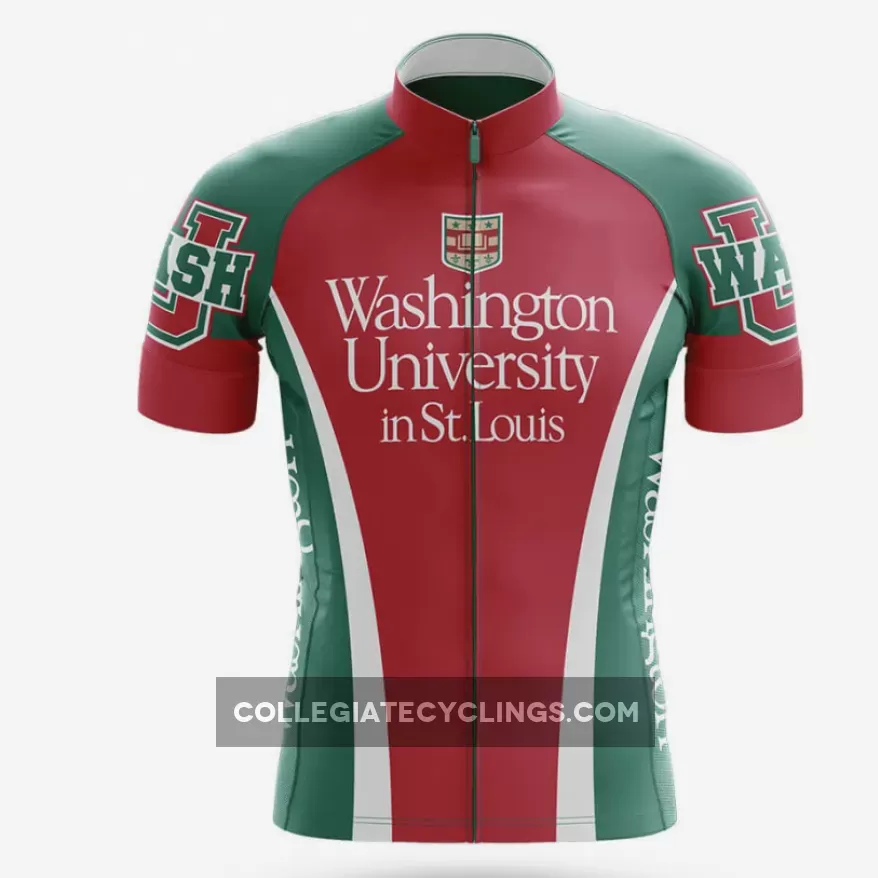 Buy From: St Louis Cycling Jersey Washington University in St. Louis – Men’s Cycling / Jersey Only