Minnesota’s reputation for long, harsh winters often conjures images of cozy fireplaces and steaming mugs of hot chocolate, but for the dedicated cyclist, the season presents a unique opportunity: the chance to experience the state’s breathtaking beauty from a completely different perspective. While the idea of winter cycling might seem daunting to some, the reality is far more accessible than you might think, especially within the vibrant cycling community of the Twin Cities.
The question, “Can you bike in Minnesota winter?” is best answered with a resounding “Yes,” but with the crucial caveat of preparation. The experience isn’t about replicating summer rides; it’s about embracing a new kind of cycling adventure, one that demands respect for the elements and a commitment to appropriate gear.
The Twin Cities, a region known for its passionate embrace of cycling year-round, boasts an impressive network of over 190 miles of separated bikeways and trails, with even more additions planned. This dedicated infrastructure significantly enhances the viability of winter cycling. The city’s commitment to maintaining these pathways is evident in the policies of the Park Board and Public Works Department, which prioritize clearing snow from off-street trails promptly following snowfalls. This proactive approach ensures that many routes remain accessible and relatively safe even during the depths of winter.
However, the “relatively safe” qualifier is critical. While the trails might be cleared, conditions can still be challenging. Ice patches can form, especially in shaded areas or on bridges. Snow can accumulate quickly, particularly after heavy snowfall. And the ever-present wind, a characteristic feature of Minnesota winters, can dramatically impact riding conditions. Therefore, preparedness is paramount.
Gear Up for Success:
The right equipment is the key to a safe and enjoyable winter cycling experience. Ignoring this aspect can quickly transform an exciting adventure into a miserable ordeal. Consider these essential items:
-
Winter-Specific Clothing: Layering is crucial. Start with a moisture-wicking base layer to pull sweat away from your skin, followed by insulating mid-layers like fleece or wool, and finally, a waterproof and windproof outer shell. Don’t forget warm gloves, a hat that covers your ears, and insulated cycling shoes or shoe covers to keep your feet warm and dry.
-
Fat-Tire Bike or Studded Tires: Standard tires will struggle on snow and ice. Fat-tire bikes, with their wider tires, provide superior traction, while studded tires offer significantly enhanced grip on icy surfaces. The investment in either is well worthwhile for serious winter cyclists.
-
Proper Lighting: Daylight hours are shorter in winter, and even on bright days, visibility can be reduced by snow and shadows. Invest in bright front and rear lights, preferably ones with multiple settings to adjust visibility based on the conditions.
-
Mudguards (Fenders): These are essential to prevent spray from melting snow and slush from covering you and your bike.
-
Bike Maintenance: Regular maintenance is crucial throughout the year, but even more so in winter. Ensure your brakes are working optimally, your chain is lubricated with winter-specific lubricant, and your tires are properly inflated.
Planning Your Ride:
Careful planning is as important as the gear you use. Consider these factors before heading out:
-
Route Selection: Choose well-maintained trails and avoid routes with known areas prone to ice accumulation. Familiarize yourself with the route beforehand and consider having a backup plan in case conditions deteriorate.
-
Weather Monitoring: Check the weather forecast before each ride and be prepared to adjust your plans based on the conditions. A sudden drop in temperature or unexpected snowfall can drastically alter the conditions.
-
Companionship: Riding with a friend or group can significantly enhance safety and enjoyment. Having someone else with you provides an extra layer of security and can be helpful if you encounter any difficulties.
-
Emergency Preparedness: Carry a basic repair kit, extra food and water, and a fully charged mobile phone in a waterproof case. Let someone know your route and expected return time.
Beyond the Physical:
Winter cycling in Minnesota is more than just a physical challenge; it’s a mental one as well. The cold, the darkness, and the potential for hazardous conditions can test your resolve. But the rewards—the stillness of a snow-covered landscape, the crisp, clean air, the sense of accomplishment—are well worth the effort. It’s an experience that fosters resilience, fosters a deep appreciation for the beauty of Minnesota’s winter, and strengthens the bond with your bike and the cycling community. It’s a chance to redefine what’s possible, proving that even the harshest winter can’t fully stop a committed cyclist. Embrace the challenge, prepare accordingly, and discover a whole new world of cycling adventure. You might be surprised at how rewarding it is.
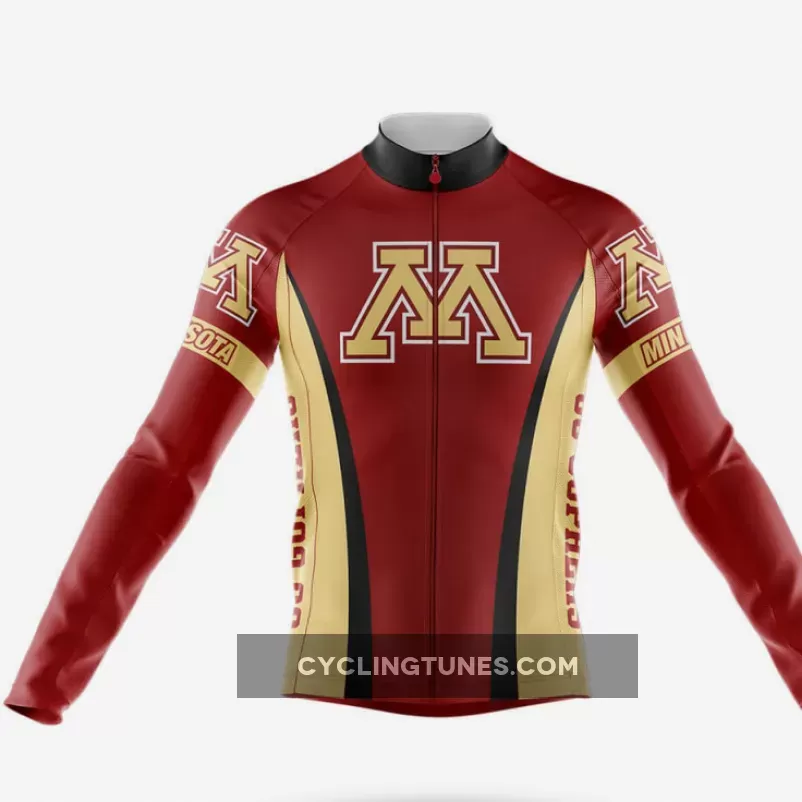 Buy From: University of Minnesota Long Sleeve Cycling Jersey