The world of cycling extends far beyond the gleaming frames and high-tech components. A significant, often overlooked, element contributing to a cyclist’s performance and overall experience lies in their apparel. While the simple question, “What are cycling uniforms called?”, yields a straightforward answer – cycling jerseys and bib shorts, or a skinsuit – the reality is far more nuanced. Understanding the design, materials, and functionality of these garments reveals a fascinating intersection of athletic performance and sophisticated textile technology. This exploration delves beyond the basic nomenclature, examining the intricate details that make cycling apparel so specialized and effective.
The Cycling Jersey: More Than Just a Shirt
The cycling jersey, the upper half of the typical cycling uniform, is far more than just a comfortable shirt. Its design is meticulously crafted to optimize performance and comfort during long hours in the saddle. Key features contribute to its specialized nature:
-
Moisture-Wicking Fabrics: Cycling jerseys are predominantly made from synthetic fabrics designed to wick away sweat and moisture from the skin. This keeps the rider cool and dry, preventing discomfort and chilling during intense rides. Materials like polyester and nylon are common choices due to their excellent moisture-wicking properties.
-
Aerodynamic Design: The cut and shape of the jersey play a crucial role in minimizing wind resistance. A close-fitting, streamlined design reduces drag, allowing for greater speed and efficiency. This is especially important during high-speed cycling events.
-
Pockets: A hallmark feature of cycling jerseys is the inclusion of multiple rear pockets. These pockets provide ample storage for essentials like energy bars, gels, tools, and a smartphone. Their placement and design are carefully considered to minimize weight imbalance and maintain aerodynamic efficiency.
-
Zippers: Full-length or partial zippers allow for temperature regulation during a ride. A zipper offers the option to cool down on ascents or warm up on descents, making the jersey adaptable to changing weather conditions.
-
Sleeves and Collar: The length and design of the sleeves, as well as the style of the collar, contribute to comfort and performance. Sleeves might be short or long, depending on the rider’s preference and the weather conditions. Collars are often low-profile and comfortable to prevent chafing.
Bib Shorts: Support and Comfort for the Lower Body
The lower half of the cyclist’s uniform is typically covered by bib shorts. These shorts are not just ordinary shorts; they are engineered to provide exceptional support, comfort, and performance. Several key aspects define their design:
-
Chamois Pad: The most distinctive feature of bib shorts is the chamois pad, a padded insert strategically positioned to cushion the perineal area. This pad is crucial for comfort during long rides, reducing pressure and friction that can cause discomfort or even injury. Chamois pads vary in thickness, material, and design depending on the intended use.
-
Compression Fit: Bib shorts typically have a compressive fit, providing support to the leg muscles and promoting blood flow. This compression can enhance performance and recovery.
-
Seamless Construction: Many bib shorts utilize seamless construction techniques to minimize chafing and maximize comfort against the skin. Flat seams and strategically placed panels reduce friction and irritation.
-
Bib Straps: Instead of a waistband, bib shorts utilize straps that loop over the shoulders. This eliminates the potential for discomfort caused by a waistband constricting the abdomen, particularly during extended periods of cycling. The bib straps are usually made of elastic material that offers support without excessive pressure.
-
Leg Grippers: The leg grippers at the bottom of the bib shorts keep the shorts in place, preventing them from riding up during cycling. These grippers are typically made of silicone or other elastic materials that provide a secure but comfortable grip.
The Skinsuit: Streamlined Performance
The skinsuit represents a streamlined alternative, combining the functions of both the jersey and bib shorts into a single, integrated garment. Its design is primarily focused on aerodynamic performance, making it a favored choice for time trials and other events where speed is paramount. Key features of a skinsuit include:
-
Full-Body Coverage: The skinsuit covers the entire body from the neck to the knees, minimizing wind resistance.
-
Aerodynamic Fabrics: Specialized fabrics with low drag coefficients are utilized to further reduce air resistance.
-
Compression Fit: Like bib shorts, skinsuits provide a compressive fit to support muscles and improve blood flow.
-
Seamless Construction: Seamless construction is often employed to enhance aerodynamics and reduce friction.
-
Zipper: A full-length zipper allows for easy donning and doffing. Sometimes the zipper is placed strategically to minimize wind resistance.
In conclusion, the simple question “What are cycling uniforms called?” only scratches the surface of the sophisticated world of cycling apparel. The cycling jersey, bib shorts, and skinsuit are far more than just clothing; they are highly engineered garments designed to optimize performance, comfort, and safety. The materials, designs, and features of each component contribute to a cyclist’s ability to ride longer, faster, and more comfortably, ultimately enhancing the overall cycling experience. Understanding these nuances reveals the intricate attention to detail that goes into creating apparel designed for the demands of the sport.
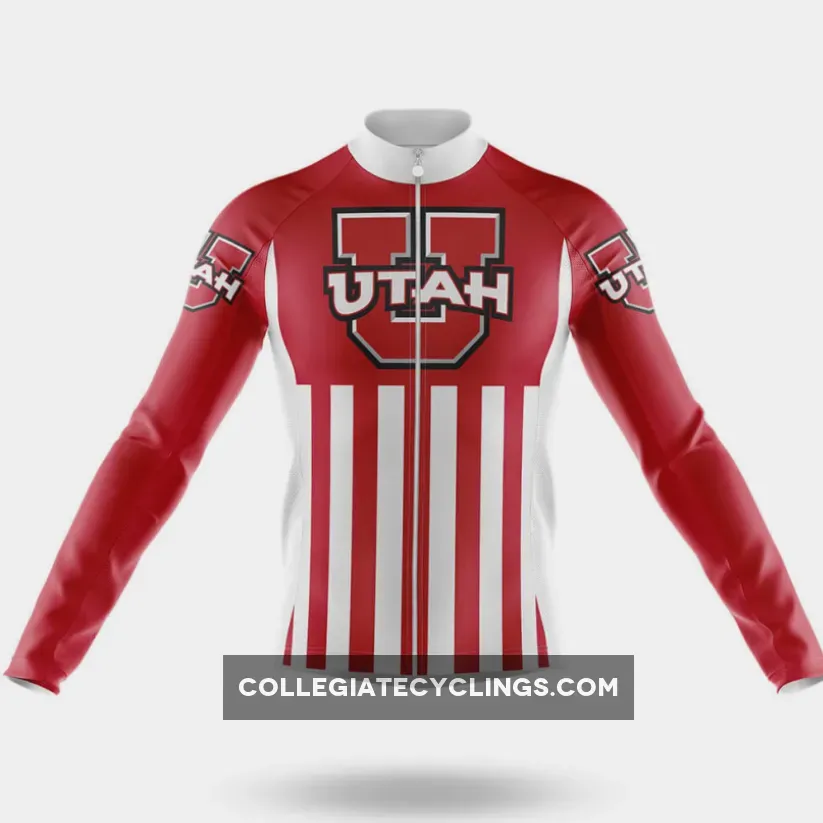 Buy From: University of Utah USA Long Sleeve Cycling Jersey Only